
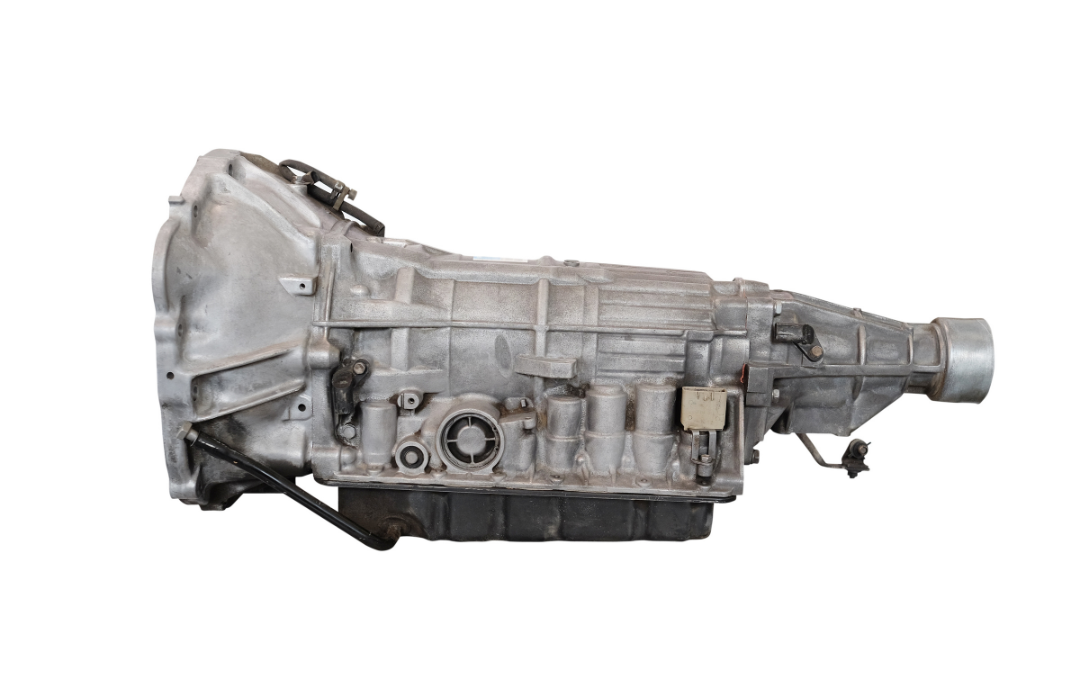
Your vehicle’s ability to move efficiently and smoothly depends on one critical system: the transmission and drivetrain. While engine problems often get the most attention, issues within these components can quickly become expensive and disruptive if ignored. Understanding transmission repair and overall drivetrain care can save you thousands of dollars and prevent unexpected breakdowns.
In Minnesota, where drivers face extreme temperature swings, snow, heavy towing, and stop-and-go traffic, transmission repair needs can develop faster than many people expect. This guide will walk you through how the system works, common warning signs, maintenance recommendations, and when professional service becomes essential.
Understanding the Transmission and Drivetrain
Before discussing transmission repair, it’s helpful to understand how these systems function together.
The transmission transfers power from the engine to the wheels. It adjusts gear ratios so your vehicle can accelerate, maintain speed, and operate efficiently under different driving conditions.
The drivetrain includes:
-
Transmission
-
Driveshaft
-
Axles
-
Differential
-
Transfer case (in AWD/4WD vehicles)
Together, these components deliver power to your wheels. When one part fails, it often affects the others. That’s why proper maintenance and timely transmission repair are essential for long-term reliability.
Why Transmission Repair Is So Important
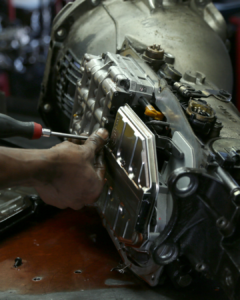 Unlike brake pads or tires, transmission components are complex and costly. Small issues that go untreated can escalate quickly.
Delaying transmission repair may result in:
-
Slipping gears
-
Complete transmission failure
-
Damaged clutch packs
-
Torque converter failure
-
Overheating
-
Contaminated transmission fluid
The earlier a problem is diagnosed, the more likely it can be resolved without a full rebuild or replacement.
Common Signs You May Need Transmission Repair
Recognizing early warning signs can prevent major damage. Watch for these symptoms:
1. Slipping Gears
If your vehicle unexpectedly changes gears or struggles to stay in gear, internal wear may be developing. Slipping is one of the most common reasons drivers seek transmission repair.
2. Delayed or Rough Shifting
Hesitation when shifting from park to drive or rough transitions between gears often indicate fluid issues or worn components.
3. Unusual Noises
Grinding, whining, or clunking sounds while driving may signal internal mechanical wear.
4. Transmission Fluid Leaks
Transmission fluid is typically red or pink. If you notice fluid pooling under your vehicle, immediate attention is necessary.
5. Burning Smell
Overheated transmission fluid can produce a distinct burning odor. This often means fluid levels are low or the system is overheating.
6. Warning Lights
Modern vehicles monitor transmission performance electronically. A check engine light or transmission warning indicator should never be ignored.
If you experience any of these symptoms, scheduling an inspection promptly can reduce the likelihood of extensive transmission repair.
Automatic vs Manual Transmission Repair
Different transmission types require different service approaches.
Automatic Transmissions
Automatic systems use hydraulic pressure and complex internal components to shift gears. Common automatic transmission repair issues include:
-
Solenoid failure
-
Torque converter problems
-
Valve body malfunctions
-
Fluid contamination
Manual Transmissions
Manual systems rely on a clutch and gear engagement. Common manual transmission repair issues include:
-
Worn clutch plates
-
Synchronizer wear
-
Grinding during shifting
Both systems benefit from regular fluid changes and inspections.
Minnesota Weather and Transmission Stress
Cold winters in Inver Grove Heights can significantly affect transmission performance.
Low temperatures cause transmission fluid to thicken, reducing lubrication during startup. Over time, this can increase wear. Snow and ice also require frequent gear changes and higher torque demands.
Summer heat presents its own risks. Towing, heavy loads, and extended highway driving can raise internal temperatures, increasing the need for transmission repair if cooling systems are not functioning properly.
Routine maintenance is especially important in climates with extreme seasonal variation.
The Role of Transmission Fluid
Transmission fluid plays several crucial roles: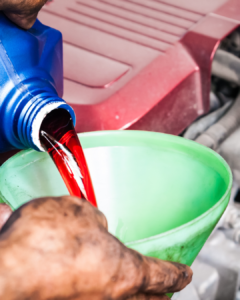
-
Lubricates internal components
-
Transfers hydraulic pressure
-
Reduces heat
-
Prevents corrosion
Contaminated or degraded fluid is one of the leading causes of transmission repair. Over time, fluid breaks down and collects metal particles from internal wear.
Most manufacturers recommend fluid replacement between 30,000 and 60,000 miles, though intervals vary by vehicle.
Regular fluid service is one of the simplest ways to prevent major drivetrain problems.
What Happens During a Transmission Repair Service?
A professional transmission repair service typically includes:
Diagnostic Testing
Technicians use specialized equipment to scan for trouble codes and assess electronic performance.
Fluid Inspection
Fluid condition, color, and level are checked for contamination or burning.
Road Testing
Driving tests help identify shifting irregularities or slipping.
Component Evaluation
If necessary, the transmission pan may be removed to inspect internal components.
Repair or Replacement
Depending on the issue, solutions may include:
-
Fluid flush
-
Solenoid replacement
-
Seal repair
-
Clutch replacement
-
Full rebuild
-
Transmission replacement
Early diagnosis often allows for minor repairs rather than complete system replacement.
Drivetrain Components That Affect Transmission Repair
Transmission repair doesn’t happen in isolation. Other drivetrain components influence performance.
Differential
The differential allows wheels to rotate at different speeds during turns. Worn gears or low fluid can cause whining noises and added strain.
Driveshaft
The driveshaft transfers torque from the transmission to the axles. Imbalance or worn joints can cause vibration.
CV Joints and Axles
Clicking noises during turns often indicate CV joint wear.
Addressing drivetrain issues early helps prevent strain that could lead to more extensive transmission repair later.
Repair vs Replacement: What’s the Right Choice?
 One of the most common questions drivers ask is whether to repair or replace a failing transmission.
Factors to consider include:
-
Vehicle age
-
Mileage
-
Overall vehicle condition
-
Cost of repair vs replacement
-
Long-term reliability goals
Minor transmission repair services like seal replacements or solenoid repairs are far less expensive than full rebuilds. However, if internal damage is severe, replacement may be more cost-effective.
A trusted technician can provide a detailed estimate and explain options clearly.
How to Extend Transmission Life
Preventative care significantly reduces the likelihood of major transmission repair.
To extend lifespan:
-
Follow manufacturer fluid change intervals
-
Avoid aggressive acceleration
-
Allow vehicle warm-up time in cold weather
-
Avoid overloading beyond capacity
-
Address small shifting issues immediately
-
Schedule regular inspections
These habits help maintain smooth performance and reduce long-term costs.
The Cost of Ignoring Transmission Problems
Delaying service can result in:
-
Complete system failure
-
Loss of mobility
-
Increased towing costs
-
Damage to surrounding drivetrain components
-
Higher repair bills
What begins as a fluid issue can quickly escalate into a rebuild costing several thousand dollars.
Proactive transmission repair protects both your vehicle and your budget.
Choosing a Trusted Shop for Transmission Repair
Transmission systems are complex and require experienced technicians. When selecting a repair facility, look for:
-
Certified and experienced technicians
-
Clear diagnostic explanations
-
Transparent pricing
-
Strong local reputation
-
Experience with Minnesota driving conditions
Local expertise matters, especially when dealing with weather-related wear and seasonal driving stress.
Conclusion: Schedule Your Transmission Repair Before Small Problems Become Major
Your transmission and drivetrain are responsible for delivering power, efficiency, and control every time you drive. Ignoring early warning signs can turn a manageable issue into a major repair.
If you’ve noticed slipping, rough shifting, fluid leaks, or unusual noises, it’s time to schedule an inspection. Early transmission repair can restore smooth performance and prevent more extensive damage.
At Kremer Services, our experienced technicians provide thorough diagnostics and reliable drivetrain service tailored to Minnesota drivers. We carefully evaluate your entire system to ensure long-term reliability and performance.
Contact Kremer Services today to schedule your transmission inspection and protect your vehicle’s drivetrain.
For complete vehicle care, explore our brake services, suspension repair, and routine maintenance inspections to keep every system working together efficiently.
Further Reading
National Highway Traffic Safety Administration
https://www.nhtsa.gov
Car Care Council – Transmission Maintenance
https://www.carcare.org
AAA – Vehicle Maintenance Guide
https://www.aaa.com