
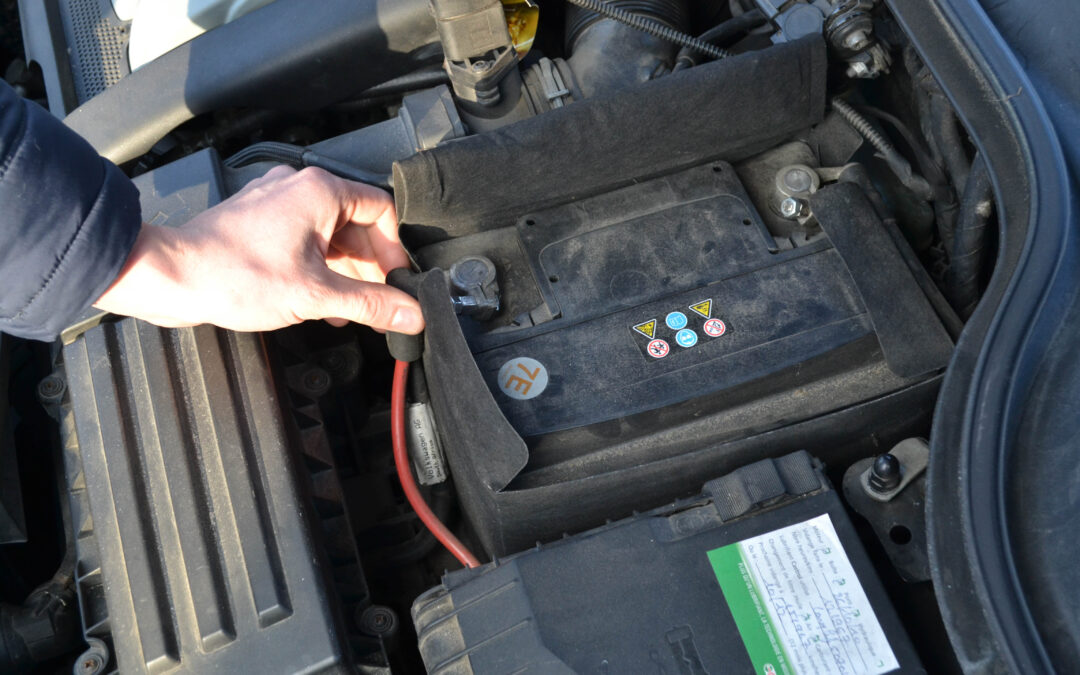
As winter fades and spring temperatures rise, many drivers assume their vehicles are finally in the clear. However, spring is actually one of the most common times for unexpected breakdowns related to car battery problems and charging system failures.
Cold weather puts a heavy strain on batteries, and the damage often shows up weeks later when temperatures begin to warm up. Add in seasonal moisture, potholes, and increased driving, and you have the perfect conditions for electrical system issues to surface.
Understanding early warning signs of car battery problems and how your charging system works can help you avoid being stranded and prevent costly repairs.
Why Spring Is Hard on Your Battery and Charging System
Even though extreme cold is the primary enemy of a car battery, spring exposes weaknesses that developed over winter.
During winter:
- Battery output drops significantly in freezing temperatures
- Engine oil thickens, requiring more power to start
- Short trips prevent full charging
By spring:
- Weak batteries begin to fail under normal demand
- Corroded terminals become more problematic with moisture
- Alternators work harder to compensate for winter strain
This combination makes spring a peak season for car battery problems and charging system failures.
How Your Charging System Works
Your vehicle’s charging system includes three main components:
1. Battery
Stores electrical energy used to start the engine and power electronics when the engine is off.
2. Alternator
Generates electricity while the engine is running and recharges the battery.
3. Voltage Regulator
Controls the amount of voltage sent to the battery to prevent overcharging or undercharging.
When any part of this system fails, car battery problems often appear first, even if the battery itself is not the root cause.
Common Spring Car Battery Problems
1. Slow Engine Crank
One of the earliest warning signs of car battery problems is a sluggish start. If the engine takes longer than usual to turn over, the battery may be weakening.
2. Dim Lights and Electrical Issues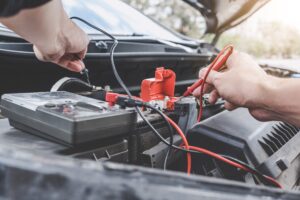
Flickering headlights or dim interior lights often indicate insufficient voltage from the charging system.
3. Frequent Jump Starts
If you need multiple jump starts within a short period, the battery is likely failing or the alternator is not charging properly.
4. Corroded Battery Terminals
Winter road salt and moisture can accelerate corrosion. This restricts electrical flow and contributes to car battery problems.
5. Battery Warning Light
If the dashboard battery or charging system light comes on, it signals a detected fault in the electrical system.
Charging System Warning Signs
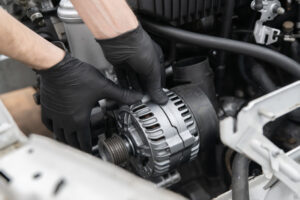 Not all car battery problems originate from the battery itself. The charging system plays a major role.
1. Alternator Failure Symptoms
A failing alternator can cause:
- Dimming headlights while driving
- Electrical accessories malfunctioning
- Battery draining even after replacement
2. Voltage Irregularities
If voltage output is inconsistent, the battery may be overcharged or undercharged, both of which shorten battery life.
3. Strange Electrical Behavior
Malfunctioning power windows, radio issues, or dashboard glitches can all point to charging system instability.
Why Batteries Fail After Winter
Many drivers are surprised when their car battery problems appear in spring rather than winter. This delay happens because:
- Cold weather weakens internal battery chemistry
- Damage accumulates silently over time
- Spring driving demands more electrical output (A/C, lights, longer trips)
- Corrosion and loose connections worsen with temperature changes
Essentially, winter damage reveals itself when the system is asked to perform at full capacity again.
How Driving Habits Affect Battery Life
Your driving patterns have a major impact on electrical health.
Short trips:
- Prevent full battery recharge
- Increase strain on alternator
- Contribute to recurring car battery problems
Stop-and-go driving:
- Limits charging time
- Increases electrical load
Extended inactivity:
- Allows battery drain
- Can lead to complete discharge in weak batteries
Spring is often when seasonal drivers or infrequent vehicle use reveals hidden electrical issues.
Testing Your Battery and Charging System
Professional engine and electrical testing is the most reliable way to diagnose car battery problems.
A full diagnostic usually includes:
Battery Load Test
Measures how well the battery holds voltage under stress.
Alternator Output Test
Checks whether the alternator is producing proper charging voltage.
Starter Draw Test
Ensures the starter is not pulling excessive power from the battery.
Full System Voltage Check
Confirms whether the entire charging system is operating within manufacturer specifications.
These tests can quickly determine whether the battery, alternator, or wiring is responsible.
Preventing Spring Battery Failures
A few simple maintenance steps can reduce the risk of car battery problems:
Clean Battery Terminals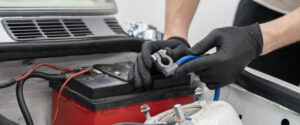
Removing corrosion improves electrical flow and prevents resistance buildup.
Check Battery Age
Most batteries last 3–5 years. Older batteries are more likely to fail in spring.
Inspect Belts and Connections
Loose or worn serpentine belts can affect alternator performance.
Limit Short Trips
Allowing the engine to run longer helps recharge the battery fully.
Schedule Seasonal Testing
Spring is the ideal time for a charging system inspection after winter stress.
When to Replace Your Battery
You may need a replacement if:
- Battery is over 3–4 years old
- Frequent jump starts are required
- Voltage test results are weak
- Visible swelling or damage is present
- Car battery problems persist after alternator testing
Replacing a weak battery early is far less expensive than dealing with a roadside breakdown.
The Cost of Ignoring Charging System Issues
Delaying repairs can lead to:
- Being stranded without warning
- Damage to alternator or starter
- Electrical system failures
- Increased repair costs over time
What starts as minor car battery problems can quickly escalate into full system failure if ignored.
Why Spring Maintenance Matters in Minnesota
In regions with harsh winters, spring maintenance is critical.
Road salt, freezing temperatures, and moisture create conditions that:
- Corrode electrical connections
- Stress batteries and alternators
- Increase strain on starting systems
Spring inspections help catch hidden issues before summer driving begins.
Conclusion: Don’t Wait for a Dead Battery
Spring is one of the most important times of year to address car battery problems and charging system issues. Even if your vehicle starts today, hidden electrical wear from winter may already be weakening your system.
If you notice slow starts, dim lights, or inconsistent electrical behavior, it’s time to get your system checked before a complete failure occurs.
Schedule Your Service at Kremer Services
If you’re experiencing car battery problems or want peace of mind after winter, Kremer Services offers complete battery and charging system testing, diagnostics, and replacement services.
Our technicians can:
- Test your battery and alternator
- Inspect electrical connections and wiring
- Identify early charging system failures
- Recommend the right repair before breakdowns happen
Schedule your spring inspection here today and make sure your vehicle is ready for the season ahead.
Further Reading
AAA Car Battery and Charging System Guide
https://www.aaa.com/autorepair/articles/how-to-extend-the-life-of-your-car-battery
Car Care Council – Battery Maintenance Tips
https://www.carcare.org/car-care-tips/battery-care/
National Highway Traffic Safety Administration – Vehicle Maintenance
https://www.nhtsa.gov/road-safety/vehicle-maintenance