
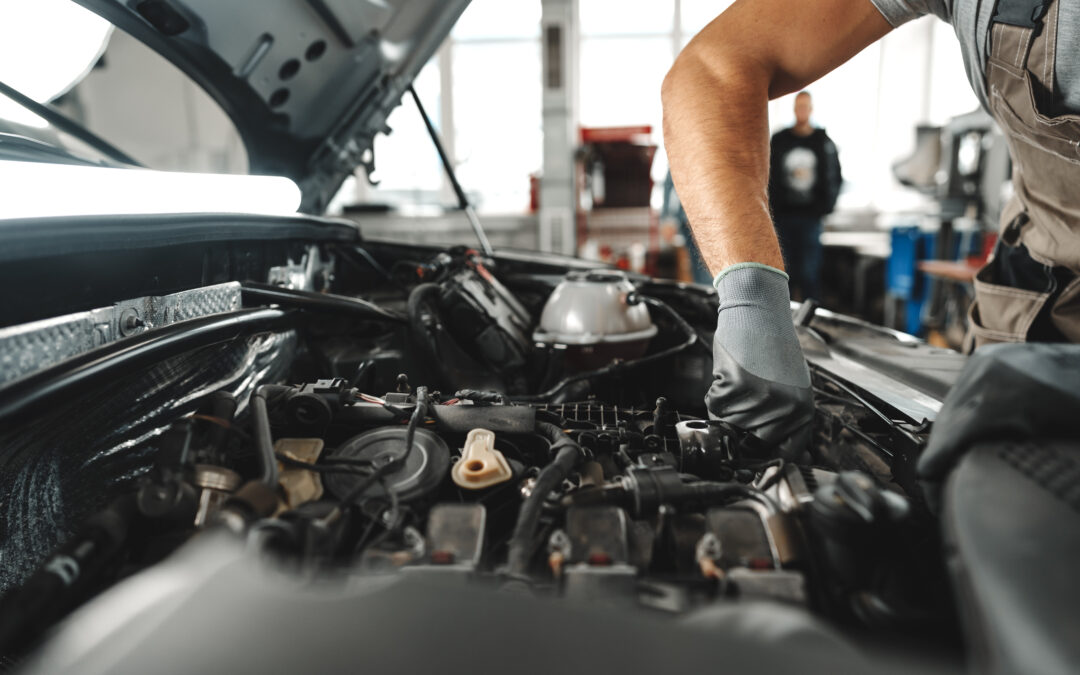
Keeping your vehicle in top condition is essential for safety, reliability, and longevity. General vehicle maintenance ensures that every system — from brakes to fluids, tires to suspension — functions correctly. Routine upkeep not only prevents breakdowns but also reduces long-term repair costs and improves overall performance.
Whether you are a seasoned car owner or new to vehicle ownership, understanding and implementing a general vehicle maintenance routine can save you time, money, and stress. This guide covers the key areas of maintenance, how often they should be performed, and tips for keeping your vehicle running smoothly.
Why General Vehicle Maintenance Is Important
Regular maintenance impacts multiple aspects of vehicle performance:
-
Safety: Well-maintained brakes, tires, and steering systems reduce accident risk.
-
Performance: Efficient engines, transmissions, and drivetrains deliver optimal power and fuel economy.
-
Longevity: Routine inspections prevent wear and tear from turning into costly repairs.
-
Resale Value: A documented maintenance history increases vehicle value.
Neglecting general vehicle maintenance can result in unexpected breakdowns, higher repair costs, and unsafe driving conditions. Preventative care is always more cost-effective than emergency repairs.
Essential Components of General Vehicle Maintenance
A complete general vehicle maintenance routine addresses multiple systems.
1. Engine and Fluids
The engine is the heart of your vehicle. Proper fluid levels and clean fluids are crucial for performance and longevity. Maintenance should include:
-
Engine Oil: Change according to manufacturer recommendations, usually every 3,000–7,500 miles.
-
Coolant/Antifreeze: Prevents engine overheating and freezing. Replace periodically based on mileage and seasonal requirements.
-
Transmission Fluid: Ensures smooth shifting and reduces wear. Regular checks and replacements prevent costly transmission repair.
-
Brake Fluid: Maintains hydraulic pressure for braking performance. Change every 2–3 years or as recommended.
-
Power Steering Fluid: Keeps steering responsive and prevents damage to the pump.
Regular inspections and fluid changes are foundational aspects of general vehicle maintenance.
2. Brakes
Brake maintenance is critical for safety. Signs of worn brakes include:
-
Squealing or grinding noises
-
Vibrations while braking
-
Longer stopping distances
A proper inspection should include brake pad thickness, rotor condition, calipers, and brake lines. Timely repairs protect your vehicle and reduce repair costs.
3. Tires and Alignment
Tires are your vehicle’s contact with the road. Proper tire maintenance ensures safety and improves fuel efficiency.
-
Tread Depth: Minimum 2/32 inch; winter driving may require deeper treads.
-
Tire Pressure: Check monthly and adjust for temperature changes.
-
Alignment and Balance: Corrects uneven tire wear and improves handling.
-
Rotation: Regular rotation extends tire life.
Proper tire care is a cornerstone of general vehicle maintenance, especially in regions with seasonal weather variations.
4. Suspension and Steering
 Suspension and steering systems affect handling, ride comfort, and tire longevity. Key components to inspect include:
-
Shocks and struts
-
Ball joints
-
Tie rods
-
Steering linkage
Signs of suspension issues may include uneven tire wear, vehicle pulling to one side, or a bouncy ride. Addressing these early prevents further damage and maintains control.
5. Battery and Electrical System
A reliable battery and electrical system are essential for starting and powering all vehicle systems. Maintenance should include:
-
Battery inspection for corrosion or leakage
-
Checking charge levels
-
Testing alternator performance
A failing battery or alternator can leave you stranded, making regular checks a vital part of general vehicle maintenance.
6. Exhaust System
The exhaust system controls emissions and directs harmful gases safely away from the cabin. Inspections should cover:
-
Mufflers and pipes for rust or holes
-
Catalytic converter performance
-
O2 sensors and emission control systems
Maintaining the exhaust system improves fuel efficiency, reduces pollution, and prevents costly repairs.
7. Lights and Visibility
Proper lighting is essential for safe driving. Routine checks include:
-
Headlights, taillights, brake lights, and turn signals
-
Windshield wipers for streak-free visibility
-
Washer fluid levels with winter-grade fluid for cold climates
Good visibility is a simple yet crucial component of general vehicle maintenance.
8. Belts and Hoses
Belts and hoses power essential systems, including the alternator, water pump, and air conditioning.
-
Inspect belts for cracks or fraying
-
Check hoses for leaks or soft spots
-
Replace worn or damaged components
Preventing belt or hose failure protects the engine and prevents roadside emergencies.
9. Filters
Filters protect your engine and cabin from contaminants. Key filters to maintain:
-
Engine air filter: Replaced every 12,000–15,000 miles
-
Cabin air filter: Ensures clean air inside the vehicle
-
Fuel filter: Maintains fuel system efficiency
Clean filters support engine performance and overall vehicle health.
10. Seasonal Checks
Seasonal inspections help prepare your vehicle for extreme weather conditions:
-
Winter: Battery, tires, brakes, fluids, wipers
-
Summer: Air conditioning, coolant levels, belts, tires
Seasonal checks are an important aspect of comprehensive general vehicle maintenance, ensuring reliability year-round.
Building a General Vehicle Maintenance Schedule
Consistency is key. Here’s a general guideline: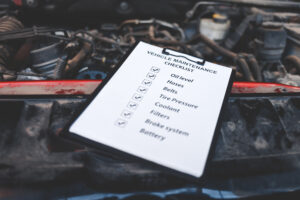
-
Monthly: Tire pressure, fluid levels, lights, wipers
-
Every 3,000–7,500 miles: Oil and filter change
-
Every 12,000–15,000 miles: Air filter, tire rotation
-
Every 2–3 years: Brake fluid replacement, coolant flush
-
Annually: Full inspection including suspension, battery, belts, hoses
Following a schedule helps catch potential issues early and prevents costly repairs.
Benefits of Regular General Vehicle Maintenance
Keeping up with general vehicle maintenance has multiple benefits:
-
Improved safety and vehicle control
-
Increased fuel efficiency
-
Reduced repair costs over time
-
Extended vehicle lifespan
-
Enhanced resale value
Proactive maintenance ensures your vehicle performs reliably in all conditions.
DIY vs Professional Maintenance
While some maintenance tasks can be handled at home, professional inspections provide advantages:
-
Access to specialized tools and diagnostics
-
Expertise in identifying hidden issues
-
Proper fluid disposal and handling
-
Manufacturer-recommended service compliance
Professional service is especially important for critical systems like brakes, suspension, and transmission.
Conclusion: Schedule Your General Vehicle Maintenance Today
Routine general vehicle maintenance is essential for safety, performance, and long-term reliability. From fluid checks and brakes to tires, suspension, and battery care, every system in your vehicle benefits from consistent attention.
To protect your investment and keep your car running at its best, schedule your general vehicle maintenance with Kremer Services today. Our experienced technicians perform comprehensive inspections and maintenance tailored to Minnesota driving conditions.
For complete vehicle protection, explore our brake services, transmission and drivetrain inspections, seasonal maintenance, and engine diagnostics. Combining general vehicle maintenance with proactive repairs ensures safe, reliable, and efficient driving year-round.
Further Reading
National Highway Traffic Safety Administration – Vehicle Maintenance
https://www.nhtsa.gov
Car Care Council – General Vehicle Maintenance Guide
https://www.carcare.org
AAA – Car Care and Safety Tips
https://www.aaa.com