
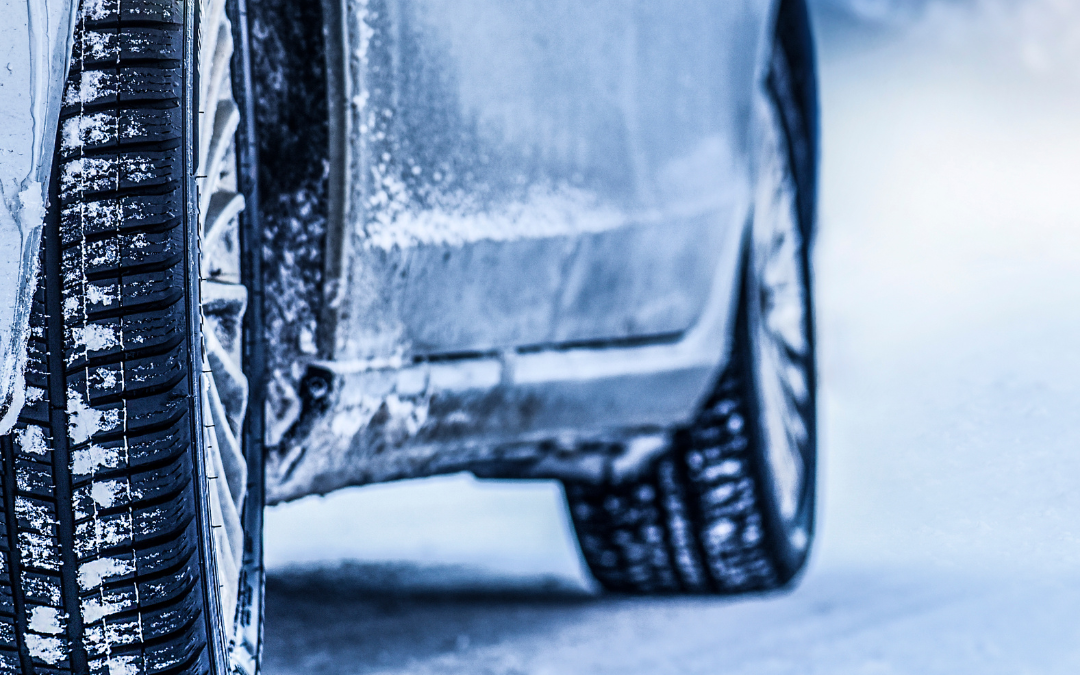
Minnesota winters are not mild. Between subzero temperatures, snow-packed roads, ice, road salt, and potholes, your vehicle faces some of the harshest driving conditions in the country. That is why Minnesota winter car maintenance is not optional — it is essential.
Preparing your vehicle for winter and maintaining it properly throughout the season reduces breakdown risk, improves safety, and helps prevent expensive repairs. This comprehensive guide explains what to inspect, service, and monitor before and during the cold months, as well as how to transition into spring.
Why Minnesota Winter Car Maintenance Is Critical
Cold weather affects nearly every system in your vehicle. Fluids thicken, batteries weaken, rubber components become brittle, and metal contracts. Snow and ice increase stopping distances and strain driveline components.
Without proper Minnesota winter car maintenance, drivers may experience:
-
Reduced traction
-
Battery failure
-
Poor heater performance
-
Frozen fluids
-
Brake issues
-
Suspension damage from potholes
-
Corrosion caused by road salt
Seasonal preparation ensures your vehicle can handle extreme conditions safely and reliably.
Battery Care in Cold Temperatures
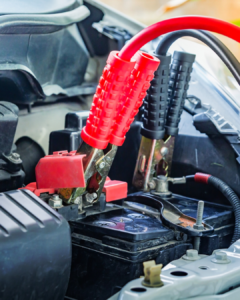 Your battery is one of the most vulnerable components during winter. Cold weather slows chemical reactions inside the battery, reducing its power output. At the same time, engines require more power to start in freezing temperatures.
As part of Minnesota winter car maintenance, battery testing is essential before temperatures drop. Signs your battery may be failing include:
-
Slow engine cranking
-
Dim headlights
-
Electrical system glitches
-
Battery older than three to five years
A professional load test ensures your battery can handle winter starts. Replacing a weak battery before it fails can prevent getting stranded in dangerous conditions.
Tire Inspection and Winter Traction
Tires are your vehicle’s only contact with the road. Snow and ice dramatically reduce grip, making tire condition a major factor in winter safety.
Minnesota winter car maintenance should always include: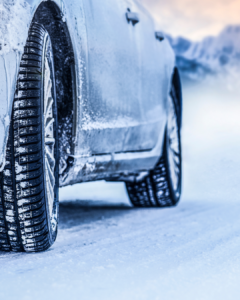
-
Checking tread depth (at least 6/32 inch recommended for winter driving)
-
Inspecting for uneven wear
-
Confirming proper tire pressure
-
Considering winter tires for improved traction
Cold air reduces tire pressure, sometimes by several pounds per square inch. Underinflated tires reduce control and increase wear.
Winter-specific tires are designed with rubber compounds that remain flexible in cold temperatures, improving traction and braking performance.
Brake System Readiness
Winter driving demands more from your braking system. Slippery surfaces increase stopping distance, and road salt accelerates corrosion on brake components.
During Minnesota winter car maintenance, brake inspections should include:
-
Pad thickness measurement
-
Rotor condition check
-
Caliper inspection
-
Brake fluid evaluation
Reliable braking performance is critical when navigating icy intersections or sudden stops.
Fluid Checks and Cold Weather Protection
Fluids play a major role in vehicle reliability during winter.
Engine Oil
Cold temperatures cause oil to thicken. Using the manufacturer-recommended winter-grade oil ensures proper lubrication during cold starts.
Antifreeze and Coolant
Your cooling system protects the engine from freezing. A coolant test ensures proper freeze protection levels.
Windshield Washer Fluid
Standard washer fluid can freeze in extreme cold. Winter-rated fluid is necessary for maintaining visibility.
Transmission and Differential Fluid
Cold weather increases drivetrain stress. Checking these fluids during Minnesota winter car maintenance helps prevent performance issues.
Routine fluid inspections are one of the most cost-effective ways to prevent winter breakdowns.
Heating System and Defroster Performance
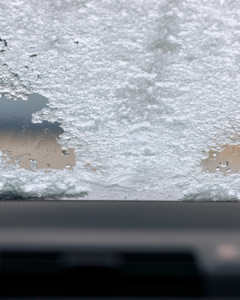 A functioning heater and defroster are more than comfort features — they are safety necessities.
Your heating system relies on proper coolant circulation. If your heater produces weak airflow or insufficient warmth, it may indicate coolant or thermostat issues.
Defrosters must clear ice and condensation quickly to maintain visibility. Addressing heating concerns early ensures clear windows during freezing mornings.
Wiper Blades and Visibility
Snow, ice, and road spray reduce visibility quickly. Worn wiper blades leave streaks and reduce effectiveness.
Minnesota winter car maintenance should include:
-
Replacing worn or cracked blades
-
Checking washer nozzles
-
Ensuring winter-grade washer fluid is installed
Clear visibility is critical during snowstorms and freezing rain.
Suspension and Steering Protection
Potholes are a major issue after freeze-thaw cycles. Impact damage can affect alignment, suspension components, and steering performance.
Warning signs of suspension issues include:
-
Uneven tire wear
-
Pulling to one side
-
Excessive bouncing
-
Steering vibration
Inspecting suspension components during Minnesota winter car maintenance helps prevent uneven tire wear and maintains vehicle control on slick roads.
Protecting Against Rust and Corrosion
Road salt prevents ice buildup but accelerates rust formation. Salt can corrode brake lines, undercarriage components, exhaust systems, and body panels.
Preventative steps include:
-
Regular car washes, especially undercarriage cleaning
-
Applying protective coatings
-
Inspecting for rust development
Reducing corrosion extends vehicle lifespan and preserves structural integrity.
Emergency Winter Preparedness
Even with proper Minnesota winter car maintenance, unexpected weather events can occur. Keep an emergency kit in your vehicle that includes:
-
Blanket
-
Flashlight
-
Ice scraper
-
Jumper cables
-
Traction aids
-
Extra gloves and hat
-
Phone charger
Preparedness adds another layer of safety during extreme weather.
The Long-Term Benefits of Seasonal Maintenance
Consistent Minnesota winter car maintenance provides several advantages:
-
Improved safety
-
Fewer unexpected breakdowns
-
Lower long-term repair costs
-
Extended vehicle lifespan
-
Better resale value
Preventative care always costs less than emergency repairs.
Choosing Professional Seasonal Service
Winter preparation involves multiple systems that must work together. Professional technicians can identify small issues before they escalate.
A comprehensive seasonal inspection typically includes:
-
Battery testing
-
Brake evaluation
-
Tire inspection
-
Fluid testing
-
Suspension assessment
-
Heating system performance check
Working with experienced professionals ensures your vehicle is ready for whatever Minnesota weather delivers.
Conclusion: Schedule Your Minnesota Winter Car Maintenance Today
Minnesota winters are demanding, but your vehicle does not have to suffer because of them. Proper Minnesota winter car maintenance ensures your car remains safe, reliable, and ready for icy roads, freezing temperatures, and unpredictable storms.
If you have not scheduled your seasonal inspection yet, now is the time. Preparing your vehicle before temperatures drop helps prevent costly breakdowns and keeps your family safe.
Contact Kremer Services today to schedule your seasonal maintenance appointment. Our experienced technicians understand Minnesota driving conditions and provide thorough inspections designed to protect every system in your vehicle.
For complete protection, explore our brake services, transmission and drivetrain inspections, and suspension repair solutions to ensure your vehicle performs confidently in every season.
Further Reading
Minnesota Department of Public Safety – Winter Driving Tips
https://dps.mn.gov
National Highway Traffic Safety Administration – Vehicle Safety
https://www.nhtsa.gov
Car Care Council – Winter Car Care Checklist
https://www.carcare.org