
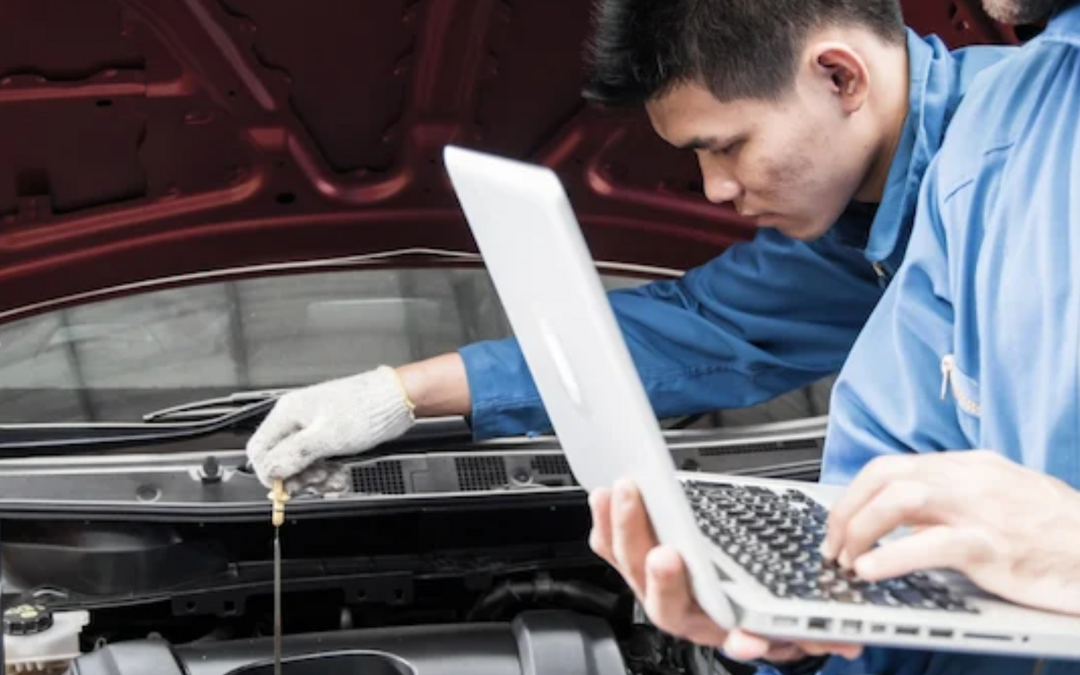
Every vehicle develops issues over time. Some are minor annoyances, while others can turn into major repairs if ignored. The challenge for most drivers is knowing which common car problems are truly worth fixing — and which ones can safely wait.
Not every noise, light, or vibration requires immediate panic. However, certain issues directly affect safety, reliability, and long-term costs. Addressing the right common car problems early can prevent breakdowns, reduce repair bills, and extend the life of your vehicle.
This guide outlines the most frequent vehicle issues that deserve attention and explains why fixing them is often the smartest financial decision.
Why Some Common Car Problems Should Never Be Ignored
Vehicles are complex machines with interconnected systems. A small issue in one area can quickly impact others. While cosmetic imperfections may not require urgency, mechanical and safety-related concerns almost always do.
Fixing important common car problems can:
-
Improve safety
-
Prevent expensive damage
-
Increase fuel efficiency
-
Maintain resale value
-
Reduce long-term maintenance costs
Understanding which problems fall into that category helps you prioritize repairs wisely.
1. Brake Wear and Noise
Brake issues are among the most common car problems drivers experience. Squeaking or grinding noises often signal worn brake pads. While some drivers delay service because the car still stops, ignoring brake wear can damage rotors and calipers.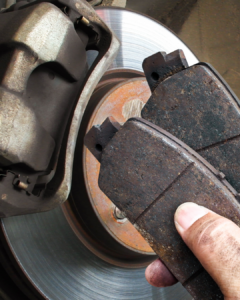
Why it is worth fixing:
-
Compromised braking reduces safety
-
Delayed repairs increase costs
-
Worn components strain related systems
Replacing brake pads early is significantly less expensive than replacing rotors and additional hardware.
2. Check Engine Light
A check engine light is one of the most misunderstood common car problems. Some drivers assume it is minor and continue driving without inspection.
The check engine light can indicate:
-
Faulty sensors
-
Emissions issues
-
Ignition problems
-
Fuel system concerns
-
Transmission irregularities
While some triggers are minor, others can cause long-term engine damage or reduced fuel efficiency. A diagnostic scan provides clarity and often reveals issues that are affordable to fix when addressed early.
3. Transmission Slipping or Rough Shifting
Transmission concerns are common car problems that should never be postponed. Slipping gears, delayed shifting, or rough transitions may start subtly but can escalate quickly.
Why it is worth fixing:
-
Early fluid service may resolve the issue
-
Delayed repairs can require a full rebuild
-
Transmission replacement is costly
Addressing small shifting concerns promptly often prevents more serious drivetrain damage.
4. Suspension Wear and Steering Issues
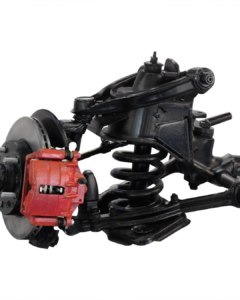 Uneven tire wear, pulling to one side, excessive bouncing, or clunking noises are common car problems related to suspension components.
Suspension affects:
-
Vehicle stability
-
Braking performance
-
Tire lifespan
-
Steering precision
Worn shocks, struts, or ball joints can reduce control, especially on rough roads or during winter conditions. Repairing suspension issues improves both safety and ride quality.
5. Fluid Leaks
Fluid leaks are among the most visible common car problems. Engine oil, transmission fluid, coolant, and brake fluid leaks should all be inspected.
Why it is worth fixing:
-
Low fluid levels cause internal damage
-
Overheating risks increase
-
Safety systems may be compromised
A small seal replacement is often far less expensive than repairing engine damage caused by running low on oil or coolant.
6. Battery and Charging System Issues
Cold weather and aging components make battery problems common. Slow engine cranking, dim lights, or dashboard warnings may indicate battery or alternator trouble.
Why it is worth fixing:
-
Prevents sudden breakdowns
-
Protects electrical systems
-
Ensures reliable starts in extreme temperatures
Replacing a weak battery before failure prevents inconvenient and potentially dangerous situations.
7. Cooling System Problems
Overheating is one of the most damaging common car problems. A failing thermostat, radiator leak, or worn water pump can cause engine temperatures to rise quickly.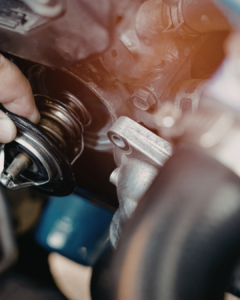
Why it is worth fixing:
-
Overheating can cause engine failure
-
Head gasket damage is expensive
-
Repairs become more complex if ignored
Routine coolant checks and system inspections protect your engine from catastrophic damage.
8. Worn Tires and Alignment Issues
Tires are often overlooked among common car problems, yet they directly affect braking and handling.
Uneven wear may indicate:
-
Alignment issues
-
Suspension wear
-
Improper inflation
Fixing alignment and replacing worn tires improves traction, fuel efficiency, and overall safety.
9. Exhaust System Concerns
Rattling sounds, loud engine noise, or reduced fuel efficiency may indicate exhaust issues. While drivers sometimes delay these repairs, exhaust problems can affect emissions, performance, and fuel economy.
Why it is worth fixing:
-
Improves engine efficiency
-
Reduces harmful emissions
-
Prevents further damage to sensors
Addressing exhaust concerns early keeps the vehicle running smoothly.
10. Ignition and Spark Plug Wear
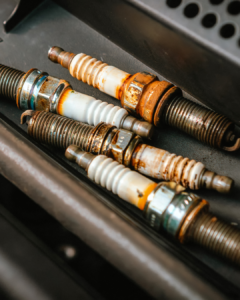 Misfires, rough idling, and reduced acceleration are common car problems linked to spark plug wear or ignition coil failure.
Why it is worth fixing:
-
Improves fuel economy
-
Prevents catalytic converter damage
-
Restores smooth performance
Routine tune-ups are relatively inexpensive and help maintain engine efficiency.
How to Decide What Can Wait
While many common car problems deserve prompt attention, some cosmetic issues can be scheduled later. For example:
-
Minor paint scratches
-
Small interior trim issues
-
Non-safety-related cosmetic damage
However, when issues involve braking, steering, engine performance, or fluid leaks, prioritizing repairs is usually the safest choice.
The Financial Benefit of Fixing the Right Problems
Drivers often hesitate to authorize repairs due to cost concerns. However, ignoring common car problems often leads to larger expenses.
For example:
-
Replacing brake pads is cheaper than replacing rotors and calipers.
-
Fixing a coolant leak is cheaper than replacing a warped engine head.
-
Servicing transmission fluid is cheaper than replacing the transmission.
Proactive maintenance saves money over time.
The Safety Factor
Many common car problems directly impact safety. Reduced braking performance, poor traction, steering instability, or overheating can create hazardous situations.
Routine inspections allow trained technicians to identify potential risks before they become emergencies. Even small warning signs should not be ignored when safety is involved.
Long-Term Vehicle Value
Addressing common car problems promptly helps preserve resale value. A well-maintained service history demonstrates responsible ownership.
Vehicles with documented maintenance:
-
Sell faster
-
Command higher prices
-
Inspire buyer confidence
Ignoring necessary repairs reduces both reliability and market value.
Building a Preventative Maintenance Plan
Rather than reacting to common car problems, a preventative approach works best. Routine maintenance appointments should include:
-
Fluid checks
-
Brake inspections
-
Tire rotations
-
Battery testing
-
Suspension evaluations
-
Diagnostic scans
Regular evaluations catch developing issues early and keep your vehicle performing efficiently.
Conclusion: Fix the Common Car Problems That Matter
Not every vehicle issue demands urgency, but certain common car problems are absolutely worth fixing. Brake wear, transmission irregularities, fluid leaks, overheating, suspension damage, and warning lights should never be ignored.
Addressing these concerns early protects your safety, reduces repair costs, and extends your vehicle’s lifespan.
If your vehicle is showing signs of mechanical trouble, schedule an inspection with Kremer Services today. Our experienced technicians will evaluate your concerns, provide clear explanations, and recommend solutions tailored to your driving needs.
For comprehensive care, explore our brake services, transmission and drivetrain inspections, and Minnesota seasonal maintenance services to keep every system functioning properly year-round.
Proactive maintenance and timely repairs are the smartest investments you can make in your vehicle.
Further Reading
National Highway Traffic Safety Administration – Vehicle Maintenance
https://www.nhtsa.gov
Car Care Council – Car Care Guide
https://www.carcare.org
AAA – Car Repair and Maintenance Advice
https://www.aaa.com