
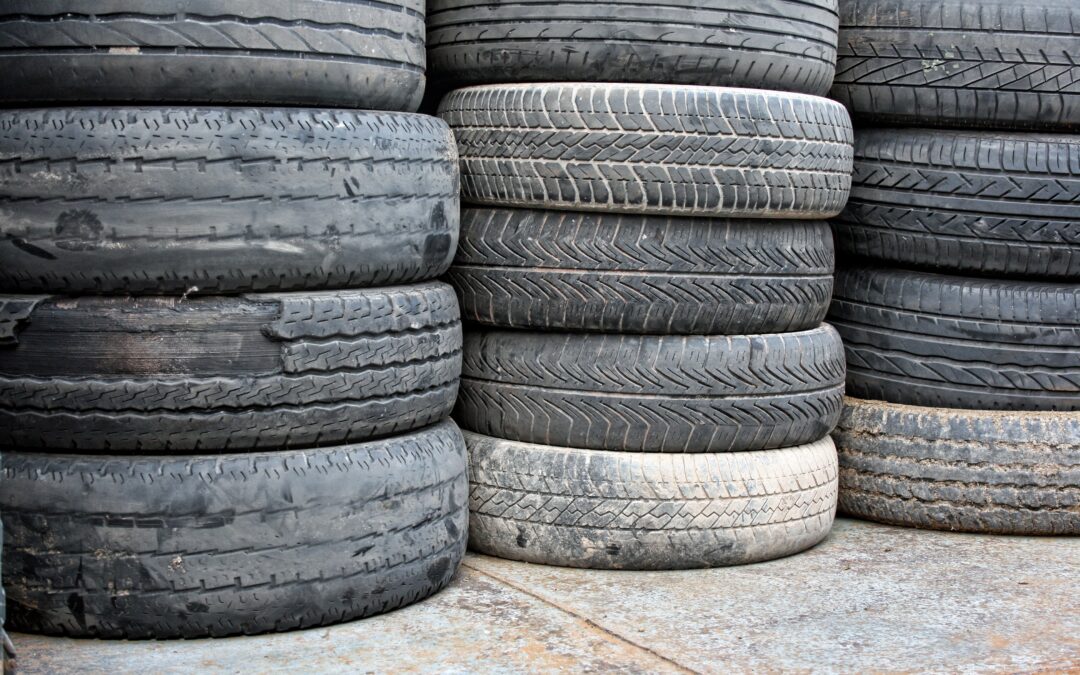
Your tires are the only part of your vehicle that make direct contact with the road, making them one of the most important components for safety, handling, and performance. While it’s normal for tires to wear over time, uneven tire wear is a sign that something isn’t working as it should.
If you notice one side of a tire wearing faster than the other, bald spots developing, or irregular tread patterns, it’s important to address the issue before it leads to reduced traction, poor handling, or the need for premature tire replacement. Uneven tire wear doesn’t just shorten the life of your tires—it often points to problems with your suspension, steering, alignment, or tire maintenance.
Understanding what causes uneven tire wear can help you catch small problems early, improve your vehicle’s performance, and save money on future repairs.
Wheel Alignment Problems
 One of the most common causes of uneven tire wear is improper wheel alignment.
Your vehicle’s wheels are designed to sit at precise angles so the tires make even contact with the road. When those angles change because of potholes, curb impacts, worn suspension components, or everyday driving, the tires begin wearing unevenly.
Some of the most common alignment-related wear patterns include:
- Excessive wear on the inside edge of the tire
- Wear on the outside edge
- Feathered tread blocks
- One tire wearing much faster than the others
You may also notice your vehicle pulling to one side, an off-center steering wheel, or steering that feels less responsive.
Having your alignment checked regularly can greatly reduce uneven tire wear and help extend the life of your tires.
Incorrect Tire Pressure
Maintaining proper tire pressure is one of the easiest ways to prevent uneven tire wear.
When tires are underinflated, the outer edges of the tread wear faster because more of the tire contacts the road.
When tires are overinflated, the center of the tread wears more quickly because less of the tire is touching the pavement.
Driving with incorrect tire pressure can also:
- Reduce fuel economy
- Affect braking performance
- Increase the risk of tire failure
- Reduce overall handling
Checking tire pressure at least once a month and before long trips can help prevent unnecessary wear.
Worn Suspension Components
Your suspension system helps keep the tires firmly planted on the road. When suspension parts begin wearing out, uneven tire wear often follows.
Components that commonly contribute include:
- Ball joints
- Control arm bushings
- Tie rods
- Shocks
- Struts
- Springs
As these parts wear, they allow excessive movement in the wheels, changing the tire’s contact with the road surface.
If your vehicle feels unstable over bumps, clunks while driving, or bounces excessively, worn suspension parts may be contributing to uneven tire wear.
Lack of Tire Rotation
Many drivers don’t realize that front and rear tires wear differently.
Front tires handle steering while many vehicles place more braking force on the front axle. Depending on whether your vehicle is front-wheel drive, rear-wheel drive, or four-wheel drive, each tire experiences different stresses.
Without regular tire rotations, certain tires naturally wear much faster than others.
Most manufacturers recommend rotating tires approximately every 5,000 to 7,500 miles, although your owner’s manual may specify a different interval.
Routine tire rotations help distribute wear more evenly and maximize tire life.
Damaged or Worn Shocks
Shock absorbers do much more than provide a comfortable ride.
They help control how the tires stay in contact with the road.
When shocks wear out, tires may begin bouncing slightly as you drive. This repeated bouncing creates irregular tread wear known as cupping or scalloping.
Signs of worn shocks include:
- Excessive bouncing
- Rough ride quality
- Nose-diving during braking
- Uneven tire wear with cupped tread
Replacing worn shocks early can improve both comfort and tire longevity.
Tire Balance Issues
 Wheel balance also plays an important role in preventing uneven tire wear.
If one wheel becomes unbalanced, it may vibrate while driving. Those vibrations create inconsistent contact with the road, gradually wearing certain portions of the tread more quickly.
Common symptoms include:
- Steering wheel vibration
- Vibration at highway speeds
- Uneven tread wear
- Reduced ride comfort
Wheel balancing is often recommended whenever new tires are installed or if vibration develops.
Driving Habits
Your driving style can also contribute to uneven tire wear.
Aggressive acceleration, hard braking, and sharp cornering place additional stress on your tires.
Frequent driving over potholes or rough roads can also affect alignment and suspension components, increasing uneven tire wear over time.
Driving smoothly not only improves fuel economy but also helps maximize tire life.
Carrying Heavy Loads
For trucks, SUVs, commercial vehicles, and trailers, heavy loads place extra stress on tires.
Repeated towing or hauling can accelerate uneven tire wear if:
- Tires aren’t inflated properly
- Suspension components are worn
- Alignment isn’t adjusted after suspension work
- Weight is distributed unevenly
Vehicles used for work should have tires inspected more frequently because they often experience heavier demands than passenger vehicles.
Mechanical Problems
Sometimes uneven tire wear is the result of underlying mechanical issues.
Problems with steering or suspension geometry may continue damaging new tires if not corrected.
Examples include:
- Bent suspension components
- Damaged control arms
- Loose steering linkage
- Worn wheel bearings
- Broken springs
Replacing tires without correcting the root cause usually results in the same wear pattern returning.
Understanding Common Tire Wear Patterns
Different wear patterns often point toward different problems.
Inside edge wear
Usually caused by alignment issues involving excessive negative camber.
Outside edge wear
Often indicates alignment problems or aggressive cornering.
Center tread wear
Typically caused by overinflation.
Both outer edges worn
Usually indicates underinflation.
Feathering
Often caused by improper toe alignment.
Cupping or scalloping
Frequently caused by worn shocks, struts, or suspension components.
Recognizing these patterns can help technicians quickly diagnose the underlying problem.
Why Uneven Tire Wear Shouldn’t Be Ignored
Uneven tire wear affects much more than tire lifespan.
Ignoring it can lead to:
- Reduced traction
- Longer stopping distances
- Poor fuel economy
- Increased road noise
- Steering instability
- Higher repair costs
- Increased risk of tire failure
Because tires directly affect braking and steering, uneven tire wear should always be investigated promptly.
How Professionals Diagnose Uneven Tire Wear
When diagnosing uneven tire wear, technicians typically inspect:
- Tire pressure
- Tread depth
- Alignment angles
- Suspension components
- Steering system
- Wheel balance
- Shocks and struts
- Tire condition
This comprehensive inspection helps identify the root cause rather than simply replacing worn tires.
Preventing Uneven Tire Wear
The best way to avoid uneven tire wear is through regular maintenance.
Helpful habits include:
- Check tire pressure monthly.
- Rotate tires at the recommended intervals.
- Have your alignment checked if you hit a pothole or curb.
- Replace worn suspension components promptly.
- Balance tires whenever needed.
- Schedule regular vehicle inspections.
These simple steps can significantly extend tire life while improving safety and ride quality.
Conclusion
Uneven tire wear is often one of the earliest signs that something in your vehicle needs attention. Whether the cause is improper alignment, incorrect tire pressure, worn suspension components, or steering issues, addressing the problem early can help prevent more expensive repairs and keep your vehicle handling safely.
Regular tire inspections and routine maintenance are the best ways to maximize tire life and maintain reliable performance. If you’ve noticed uneven tire wear or your vehicle isn’t driving the way it should, contact the professionals at Kremer here to schedule a thorough inspection and identify the cause before it leads to additional tire or suspension damage.
Further Reading
National Highway Traffic Safety Administration – Tire Safety
https://www.nhtsa.gov/equipment/tires
Tire Rack – Tire Wear Guide
https://www.tirerack.com/upgrade-garage/diagnosing-irregular-tire-wear
Bridgestone – Causes of Uneven Tire Wear
https://www.bridgestonetire.com/learn/maintenance/what-causes-uneven-tire-wear/
Michelin – Tire Wear and Maintenance
https://www.michelinman.com/auto/auto-tips-and-advice/tire-care
AAA – Tire Maintenance Tips
https://exchange.aaa.com/automotive/tires/