
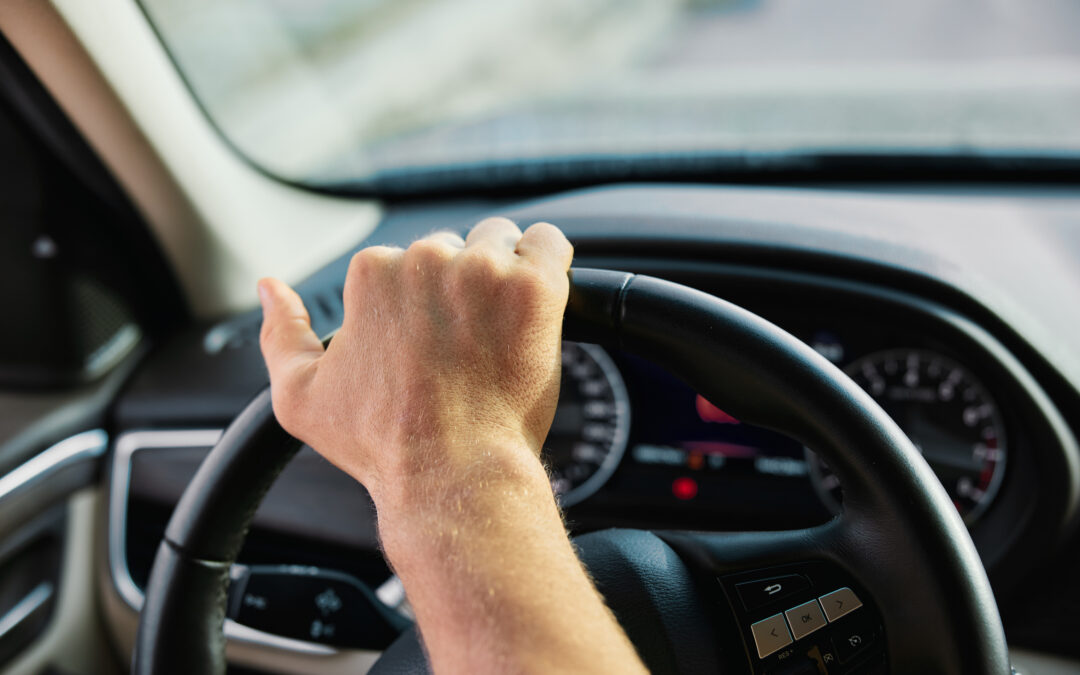
If you’ve ever felt your steering wheel drifting left or right when you’re trying to drive straight, you’re not alone. One of the most common complaints drivers have is that their vehicle pulls to one side while driving.
This issue can range from a minor annoyance to a serious safety concern, depending on what’s causing it. In some cases, it’s a quick fix like tire pressure. In others, it may signal worn suspension parts, brake problems, or alignment issues that need immediate attention.
Understanding why your vehicle pulls to one side while driving can help you prevent uneven tire wear, improve fuel efficiency, and keep your vehicle safe on the road.
1. Uneven Tire Pressure (Most Common Cause)
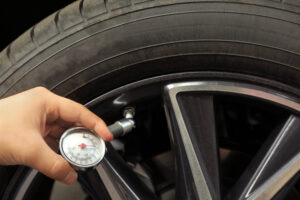 One of the simplest and most overlooked reasons a vehicle pulls to one side while driving is uneven tire pressure.
When one tire has lower air pressure than the others, it creates more rolling resistance. That side of the vehicle drags slightly, causing the car to pull in that direction.
Signs this may be the issue:
- Steering feels slightly off but not severe
- No unusual noises
- No warning lights
- Problem started suddenly
Why it matters:
Even a few PSI difference between tires can affect handling. This is especially noticeable at highway speeds.
Fix:
Check all four tires and inflate them to the manufacturer’s recommended PSI. If the problem goes away, you’ve likely found the cause.
2. Wheel Alignment Problems
If your tires are properly inflated but your vehicle still pulls to one side while driving, wheel alignment is the next most likely cause.
Wheel alignment refers to how your tires are angled relative to the road and each other. Over time, potholes, curb impacts, and rough roads can knock alignment out of spec.
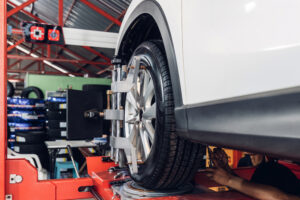
Common alignment issues:
- Toe misalignment (tires pointing inward or outward)
- Camber issues (tires tilted inward or outward at the top)
- Caster imbalance (affects steering stability)
Symptoms include:
- Steering wheel off-center when driving straight
- Uneven or rapid tire wear
- Vehicle consistently pulling left or right
Why it matters:
Poor alignment doesn’t just cause your vehicle to pull to one side while driving—it also shortens tire life and reduces fuel efficiency.
Fix:
A professional wheel alignment will correct the angles and restore proper tracking.
3. Brake Problems (Sticking or Dragging Caliper)
Another common reason a vehicle pulls to one side while driving is a sticking brake caliper.
If one brake caliper doesn’t release properly, it continues to apply pressure to the rotor. This creates resistance on that wheel, causing the vehicle to pull toward that side.
Warning signs: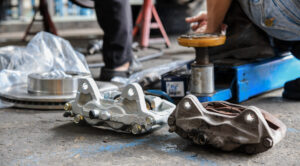
- Burning smell after driving
- Vehicle pulls more when braking
- One wheel is hotter than the others after driving
- Reduced fuel efficiency
Why it matters:
This issue can quickly lead to overheating, warped rotors, and brake failure if ignored.
Fix:
A mechanic will inspect the brake system, lubricate or replace calipers, and check brake pads and rotors for damage.
4. Tire Wear or Mismatched Tires
Tires that are unevenly worn or mismatched can also cause a vehicle to pull to one side while driving.
If one tire has significantly more wear than the others, it changes how that corner of the vehicle grips the road.
Common tire-related causes: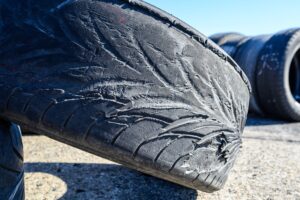
- Uneven tread wear
- Different tire brands or models on the same axle
- Old or hardened rubber on one tire
- Tire belt separation
Symptoms:
- Pulling becomes worse at higher speeds
- Vibration in steering wheel
- No mechanical warning signs
Fix:
Rotate or replace tires as needed. Always use matching tires on the same axle for best performance.
5. Suspension Wear or Damage
Worn suspension components are a more serious reason your vehicle pulls to one side while driving.
Parts like control arms, bushings, ball joints, and shocks all help keep your wheels properly aligned with the road. When they wear out, the vehicle can shift under load.
Signs of suspension problems:
- Vehicle feels unstable or “loose”
- Clunking or knocking noises
- Uneven ride height
- Excessive bouncing after bumps
Why it matters:
Suspension issues not only affect steering but also safety and braking distance.
Fix:
A full suspension inspection is needed to identify worn or damaged components.
6. Road Conditions and Driving Environment
Sometimes, your vehicle pulls to one side while driving because of the road itself—not your vehicle.
Many roads are slightly crowned (higher in the center) to allow water drainage. This naturally causes vehicles to drift slightly toward the shoulder.
When this is likely the cause:
- Pulling only happens on certain roads
- Steering feels normal on flat parking lots
- No tire or mechanical issues found
Fix:
No repair needed. However, if the pull is strong or consistent everywhere, the issue is mechanical.
7. Brake Pad Material Differences
If brake pads were recently replaced, differences in material or installation can cause uneven braking force.
This can lead to a vehicle pulling to one side while driving, especially during braking.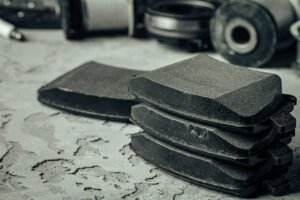
Symptoms:
- Pulling mainly when braking
- Uneven brake response
- Recent brake service history
Fix:
Have the brake system inspected to ensure pads are installed correctly and matched on both sides.
8. Frame or Structural Damage
In more severe cases, a vehicle pulling to one side while driving may indicate frame damage from an accident or major impact.
Even minor collisions can shift suspension mounting points or frame alignment.
Signs include:
- Persistent pulling no matter what repairs are done
- Uneven gaps in body panels
- Irregular tire wear that returns quickly
Fix:
A frame alignment or structural inspection is required.
Why You Should Never Ignore This Issue
A vehicle that pulls to one side while driving is more than just inconvenient—it’s a safety concern.
Ignoring the issue can lead to:
- Reduced steering control
- Increased stopping distance
- Uneven tire wear (leading to blowouts)
- Higher repair costs over time
Even if the pull seems small, it often indicates an underlying issue that will worsen.
How a Professional Diagnosis Works
When you bring your vehicle in for this issue, a technician typically checks:
- Tire pressure and condition
- Wheel alignment angles
- Brake system operation
- Suspension components for wear
- Steering system integrity
This step-by-step process helps pinpoint exactly why your vehicle pulls to one side while driving instead of guessing the cause.
Final Thoughts
If your vehicle pulls to one side, it’s important not to ignore it or assume it will go away on its own. What may start as a slight drift can quickly turn into uneven tire wear, reduced handling control, or added stress on your suspension and steering components.
In many cases, the issue is something simple like tire pressure or a minor alignment imbalance. Other times, it can point to worn suspension parts or brake system concerns that need attention sooner rather than later. Either way, identifying the cause early helps prevent more costly repairs and keeps your vehicle driving safely and smoothly.
If you’ve noticed your vehicle pulls to one side, contact the professionals at Kremer here to schedule service and get the issue properly diagnosed and repaired.
Further Reading (Sources)
- https://www.nhtsa.gov/road-safety/tires
- https://www.tirerack.com/upgrade-garage/what-is-wheel-alignment
- https://www.aa1car.com/library/tire_wear_patterns.htm
- https://www.consumerreports.org/cars/tires/how-to-check-tire-pressure-a6033404045/
- https://www.bridgestonetire.com/learn/maintenance/what-causes-a-car-to-pull-to-one-side/