
Your vehicle’s ability to stop quickly and reliably is not something to take lightly. Brake safety is one of the most important factors in preventing accidents and maintaining control behind the wheel.
In Minnesota, where drivers face icy roads, heavy rain, potholes, and road salt, maintaining a dependable braking system requires extra attention. Seasonal conditions accelerate wear and corrosion, making inspections and preventative service critical.
This guide explains how your braking system works, how to recognize early warning signs, and what you can do to maintain safe, reliable stopping power year-round.
Why Brake Safety Should Never Be Ignored
When drivers think about maintenance, oil changes and tire rotations often come first. But your ability to stop safely impacts every mile you drive.
Issues within the braking system can increase stopping distance, reduce vehicle control, and create dangerous situations — especially in emergency conditions.
Maintaining brake safety helps ensure: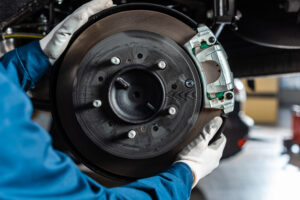
-
Consistent stopping performance
-
Greater control during sudden stops
-
Improved traction on wet or icy roads
-
Reduced wear on surrounding components
-
Long-term system reliability
It’s not just about replacing worn pads — it’s about protecting the entire system that keeps you safe.
How Your Braking System Functions
Understanding the basics helps you recognize when something isn’t right.
When you press the brake pedal:
-
Hydraulic fluid moves through brake lines.
-
Calipers press brake pads against rotors.
-
Friction slows wheel rotation.
-
The vehicle comes to a controlled stop.
Each component must work together properly. Worn pads, damaged rotors, fluid contamination, or sticking calipers can reduce braking efficiency.
Modern vehicles also include anti-lock braking systems (ABS), which prevent wheel lockup and improve steering control during hard braking.
Warning Signs Your Braking System Needs Attention
Small symptoms often appear before major problems develop. Addressing these early protects overall brake safety.
Unusual Noises
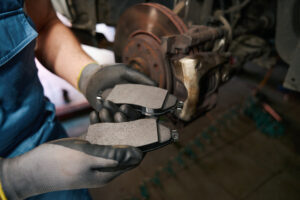
Squealing or squeaking often signals worn brake pads. Grinding typically indicates the pads are worn down completely and metal components are making contact.
Vibration While Stopping
If the steering wheel or pedal shakes during braking, warped rotors may be affecting smooth performance.
Soft or Spongy Pedal
A pedal that feels soft or sinks lower than usual could indicate air in the lines or a fluid leak — both serious concerns.
Pulling to One Side
If your vehicle drifts during braking, uneven wear or caliper problems may be present.
Increased Stopping Distance
If your vehicle takes longer to stop than it used to, system efficiency may be declining.
These signs should never be ignored.
Minnesota Conditions and Stopping Performance
 Drivers in Inver Grove Heights experience extreme seasonal changes that impact braking components.
Cold temperatures cause metal parts to contract. Road salt accelerates corrosion. Snow and ice increase demand on the system. Potholes strain both suspension and braking hardware.
Because of these factors, routine inspections are especially important before winter and after spring thaw. Preventative maintenance helps preserve system reliability under challenging conditions.
What a Professional Inspection Includes
A comprehensive evaluation typically covers:
-
Measuring brake pad thickness
-
Checking rotor condition
-
Inspecting calipers and hardware
-
Testing brake fluid condition
-
Examining brake lines for leaks
-
Reviewing dashboard warning indicators
This approach ensures the entire system is functioning properly, not just individual components.
Recommended Service Intervals
While intervals vary depending on driving habits, general guidelines include:
-
Brake pads: 30,000–70,000 miles
-
Brake fluid: Every 2–3 years
-
Full inspection: At least annually
City driving, towing, and aggressive braking can shorten component lifespan. Routine checkups during oil changes or seasonal maintenance visits are ideal times to evaluate performance.
The Risk of Delaying Service
Putting off necessary maintenance can lead to: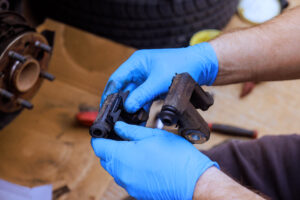
-
Rotor damage
-
Caliper failure
-
Brake fluid leaks
-
ABS system issues
-
Significantly longer stopping distances
Early attention typically means simpler, less expensive repairs — and greater peace of mind.
How Other Vehicle Systems Affect Stopping Ability
Your braking system works in coordination with:
-
Suspension components
-
Tires
-
Steering systems
-
Wheel bearings
-
Stability control systems
For example, worn suspension can cause uneven pad wear. Low tire tread reduces traction, which affects how effectively your vehicle stops — even if the brake components are in good condition.
Comprehensive vehicle maintenance supports consistent and reliable stopping performance.
Driving Habits That Protect Your Brakes
In addition to professional service, your driving behavior plays a role in system longevity.
To reduce wear:
-
Maintain safe following distances
-
Anticipate stops when possible
-
Avoid frequent hard braking
-
Reduce speed on slippery roads
-
Address small issues before they escalate
These habits improve overall system durability and performance.
Professional Service vs DIY Repairs
Modern braking systems are more advanced than ever. ABS modules, electronic sensors, and torque specifications require precision tools and experience.
Improper installation can reduce effectiveness and create additional problems. Professional technicians ensure components are installed correctly, fluid is properly bled, and systems are tested thoroughly before returning your vehicle to the road.
Conclusion: Protect Your Brake Safety with Professional Care
Your ability to stop safely is one of the most critical aspects of driving. Maintaining brake safety protects not only your vehicle, but everyone on the road around you.
If you’ve noticed unusual noises, vibrations, or changes in stopping performance, don’t wait. Early attention prevents larger issues and keeps your vehicle operating as it should.
At Kremer Services, our experienced technicians provide thorough inspections and professional care tailored to Minnesota driving conditions. We carefully evaluate every component to ensure dependable performance in every season.
Contact Kremer Services today to schedule an inspection and keep your vehicle safe and road-ready.
For additional protection, explore our suspension repair services, routine maintenance inspections, and seasonal vehicle preparation options to ensure every system works together for safe driving year-round.
Further Reading
National Highway Traffic Safety Administration
https://www.nhtsa.gov
Car Care Council – Brake Maintenance Guide
https://www.carcare.org
AAA – Brake Warning Signs
https://www.aaa.com